Have you ever noticed how sometimes you can feel comfortable in a place without knowing why and sometimes you just can stay put for more than a few minutes, you feel like you need to run away! Well there are several reasons for this scientifically proven.
First, our brains evolved in environments rich in natural cues: daylight that shifts gradually, layered textures, varied sounds, visual depth. Remember we are still animals deep down! But modern interiors often flatten or disrupt those cues with everything from harsh overhead lighting to temperature-controlled rooms and constant noise.
Environmental wellness refers to how physical surroundings - light, sound, texture, space, and natural elements - interact with human biology and psychology. Modern research in environmental psychology, neuroscience, and physiology shows that these environmental inputs send powerful signals to the nervous system, shaping mood, stress responses, attention, and recovery.
At the core of environmental wellness science is the biophilia hypothesis: humans have a deep, affinity for nature, shaped by evolution and hard-wired into our brains. Natural settings and cues like light, greenery, organic forms tend to reduce physiological stress and promote emotional regulation.
Research across neuroscience and environmental psychology consistently shows that:
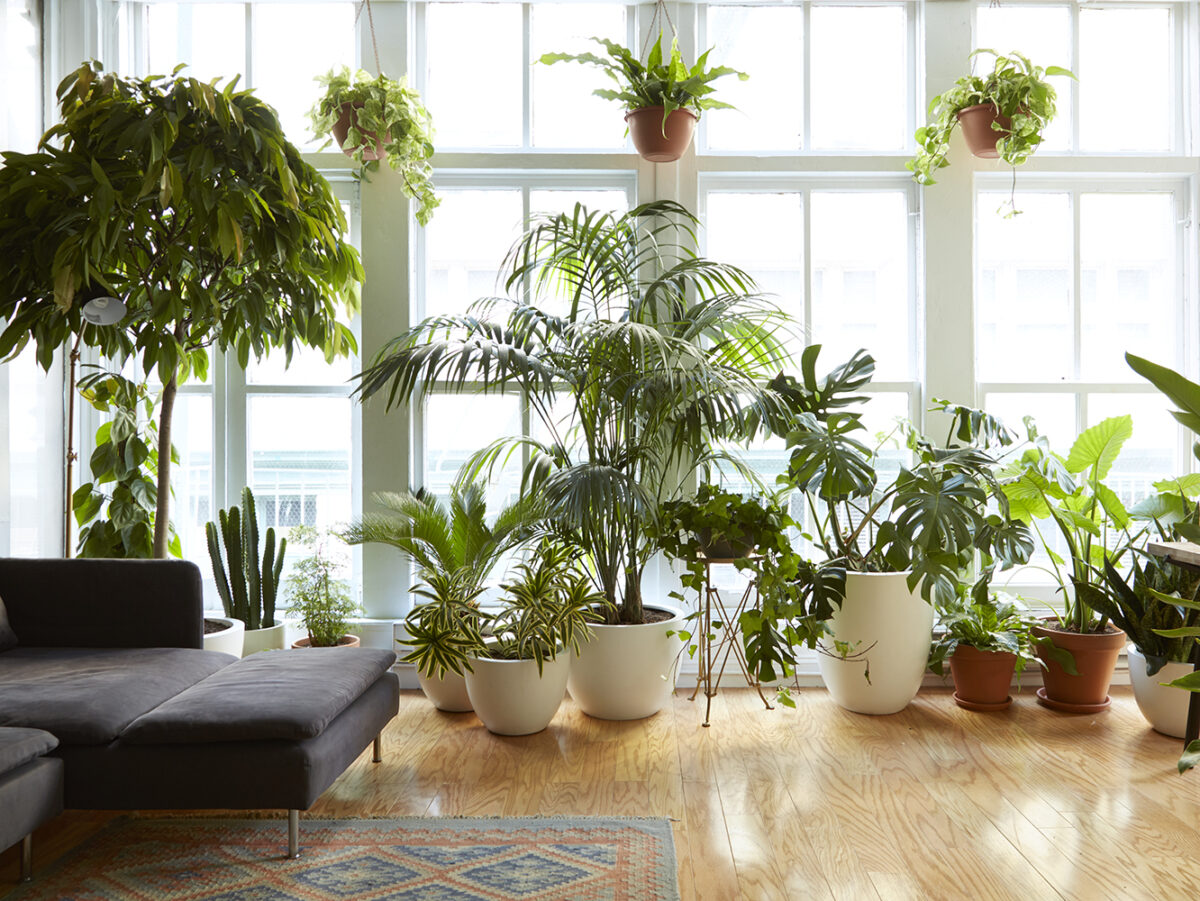
Biophilic design applies this principle to our built spaces by integrating natural light, vegetation, natural materials, and views of the outdoors into interiors. Research suggests that such environments can support stress recovery, lower anxiety, and improve cognitive function.
Lighting does more than just illuminate a room - it communicates to the brain.
Exposure to natural or daylight - mimicking light helps regulate circadian rhythms, supports mood stability, and enhances cognitive function. Studies link access to daylight with improved mood and performance in workplaces and living spaces.
Recent research finds that warmer, dimmer light reduces stress markers, while cooler, higher-intensity lighting supports alertness and cognitive performance.
This matches with broader evidence showing that lighting conditions influence stress physiology and mental state, making thoughtful lighting design a foundation of environmental wellness.
Sound directly influences autonomic nervous system activity. Research on natural soundscapes (water, birds, wind) shows positive effects on physiological recovery and psychological comfort, compared to both silence and noise pollution.
Natural sounds are often characterised as restorative because they support gentle engagement without taxing attention, helping the nervous system downshift from stress responses.
Although fewer studies isolate material texture alone, research within biophilic design shows that natural materials like wood, stone, linen and plants reduce stress and improve well-being when integrated into indoor environments.
Natural textures create tactile signals that cue safety and familiarity at a subconscious level, supporting emotional regulation.
Together, these findings paint a consistent picture: your environment is not neutral - it is a sensory context that actively shapes your nervous system, mood, and cognitive capacity.
Environmental wellness doesn’t require a major renovation or aesthetic perfection. The science suggests that even small adjustments- layered lighting, natural textures, gentle soundscapes, access to daylight or greenery - can orient your nervous system toward restoration instead of reactivity.
Beyond simply feeling cozy, when we design spaces that help the body and mind settle, we can help our nervous systems recover and function with less background stress.
From personal experience since a very young age, I intuitively always knew that my environment needed to include numerous plants, natural material (especially wood), and plenty of natural sunlight for me to feel comfortble. My background sound is either silence or singing birds from the garden. My house is full of house plants and natural materials. I also try to buy clothes mostly made of coton and unfortunately it is becoming harder and harder such clothes. Even my yoga mat has to be made of natural material rubber for me to enjoy my practice. If you are looking to change one thing right why not start with your yoga mat? I can recommend very good yoga gear brands that use natural materials only.
Now pay attention to your body, feelings and emotions and if it doesn't feel right make small adjustments based on the above science and feel the difference for your wellbeing for yourself!
Namaste
Christel


 Français
  English (UK)