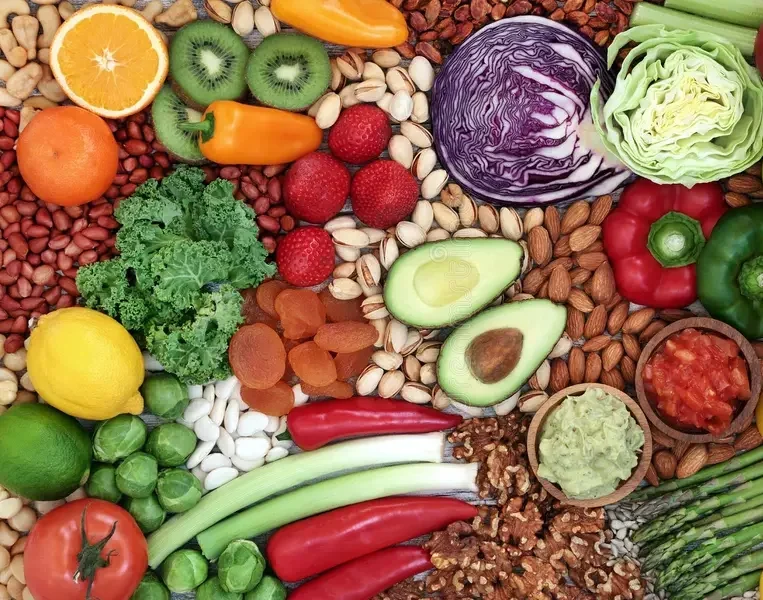
They say, "You are what you eat," and there is certainly some truth in that. The food we choose to eat can have an impact on how we feel, not only physically, but also mentally and emotionally.
For many people who have been practising yoga for some time like me, yoga naturally becomes more than just something they do on the mat. It can gradually influence other areas of life, including the way we eat, the way we treat our bodies, and the choices we make every day.
This certainly happened to me.
I officially became vegetarian after completing my Vinyasa Yoga Teacher Training in 2019. I had already been eating very little meat for some time, but after my training, I felt ready to make the change official.
During that period, I also became much more aware of where our food comes from and the way animals are sometimes treated within the meat industry. This made me reflect more deeply on my own choices and encouraged me to move towards a vegetarian lifestyle.
I am often asked by my students what I eat to stay slim. But for me, a yogic approach to food isn't about trying to achieve a particular body shape or weight. It's about creating a healthy and balanced relationship with food and learning to nourish the body while also supporting a calmer and more peaceful mind.
So, what exactly do yogis eat?
Let's take a look at the traditional yogic approach to food.
The yogic diet is traditionally associated with fresh, natural, simple and nutritious foods, particularly what are known as sattvic foods.
In the yogic and Ayurvedic traditions, foods are often divided into three categories: sattvic, rajasic and tamasic. These categories are not simply about whether a food is "good" or "bad", but are connected to the qualities they are believed to have on the body and mind
Sattvic foods are considered pure, fresh and nourishing. Traditionally, they are believed to promote clarity, balance, calmness and a peaceful state of mind.
Examples include:
The idea is to choose food that is as close as possible to its natural state and to eat in a way that supports both physical and mental wellbeing.
However, I don't believe that your diet has to consist exclusively of sattvic foods. We all have different bodies, lifestyles and energy requirements.
For example, when I am preparing for a long hike or trek, I will happily eat carbohydrates such as rice or pasta to give my body the energy it needs. Yoga is about listening to your body, and that includes listening to what your body needs nutritionally.
In traditional yogic philosophy, rajasic foods are associated with energy, stimulation and activity.
These can include very spicy foods, strong spices, stimulants and, depending on the tradition, certain foods that are considered more stimulating.
The idea is that too much rajasic food may contribute to feelings of restlessness, agitation or over-stimulation.
But again, balance is key. If you are physically active, your body may need foods that provide more energy and nourishment. The important thing is to find what works for you.
Tamasic foods are traditionally associated with heaviness, sluggishness and a lack of vitality. In a yogic context, this category can include highly processed foods, foods that are stale or overly heavy, and excessive consumption of alcohol or other substances.
The yogic approach encourages us to be mindful of these foods and to avoid relying too heavily on them.
That doesn't mean you need to be perfect.
For me, eating well is about balance rather than restriction. It's about making conscious choices most of the time while still enjoying life. A litlle pain au chocolat or a biscotti with a coffee make a marvellous treat when I want to!
There is no single perfect eating schedule that works for everyone.
Some people prefer three meals a day, while others feel better eating two meals. Personally, I often find that two meals a day are enough for me, and during periods of very hot weather, I sometimes naturally eat less.
The important thing is to listen to your own body rather than following a rigid set of rules.
One habit I adopted several years ago is drinking warm water with lemon in the morning.
For me, it is a lovely way to start the day and helps me feel refreshed and ready for the morning. If you don't have any lemons, plain water is perfectly fine too!
Some people also like to practise tongue scraping as part of their morning routine, another traditional Ayurvedic practice, another habit I adopted just last year during a fasting festival.
The most important thing is simply to start the day by hydrating and giving yourself a moment to wake up before rushing into your busy schedule.
According to Ayurveda, our digestive fire, or Agni, is traditionally considered strongest around midday. This is why lunch is often recommended as the largest meal of the day.
I like this idea because it encourages us to enjoy a nourishing and satisfying meal during the middle of the day, when we still have plenty of time to use that energy.
A balanced vegetarian meal might include plenty of vegetables, whole grains, legumes and healthy sources of protein.
And yes, you can still enjoy your food!
For me, eating healthily doesn't mean eating boring food. Fresh herbs, spices and different flavours can make simple ingredients delicious. I also like to eat fruit salads topped with nuts, seeds and honey.
Traditionally, dinner is often recommended to be lighter than lunch.
Eating a very large meal late at night can leave some people feeling uncomfortable or too full before going to bed. Personally, I prefer a lighter evening meal like a soup in the winter, especially if I haven't been particularly active during the day.
Again, there is no one-size-fits-all approach. The key is to pay attention to how different foods and eating patterns make you feel.
For me, this is perhaps the most important part of eating like a yogi.
Food isn't simply something we consume to satisfy hunger. It nourishes us and gives us the energy we need to live, move, work, practise yoga and enjoy our lives.
So why not take a moment to appreciate it?
Before eating, pause for a moment and be grateful for the food in front of you. Think about where it came from, the people who prepared it and the nourishment it is about to give your body.
Try slowing down rather than rushing through your meal.
Put your phone away.
Take a breath.
Notice the colours, smells and flavours.
Chew slowly and savour each mouthful.
You might even try eating in silence from time to time, or take your meal outside and enjoy it in nature. Removing distractions can help us become more aware of the simple pleasure of eating.
Mindful eating can turn an ordinary meal into a small moment of meditation just like on the mat.
I think one of the most important things to remember is that there is no single diet that is perfect for every yogi.
The traditional yogic approach can offer us some wonderful principles: eat fresh food, choose nourishing ingredients, be mindful of what you consume and pay attention to how food makes you feel.
But yoga is also about awareness.
Instead of following rules blindly, we can learn to listen to our bodies and become more conscious of our choices.
For me, becoming vegetarian was a personal decision that felt right for my body, my values and my lifestyle. For someone else, a different approach may feel right.
The goal isn't to become the "perfect yogi."
The goal is to become more aware.
More aware of what we eat.
More aware of how we eat.
And more aware of how our choices affect our body, our mind and the world around us.
So the next time you sit down for a meal, take a moment.
Breathe.
Be grateful.
And enjoy every bite.
Eat with love. Eat with gratitude. Eat with awareness.
Namaste,
Christel 🍓🍉🍇🍏


 Français
  English (UK)