
Informations complémentaires
| Taille | 10 gram, 15 gram, 20 gram |
|---|---|
| Strength |
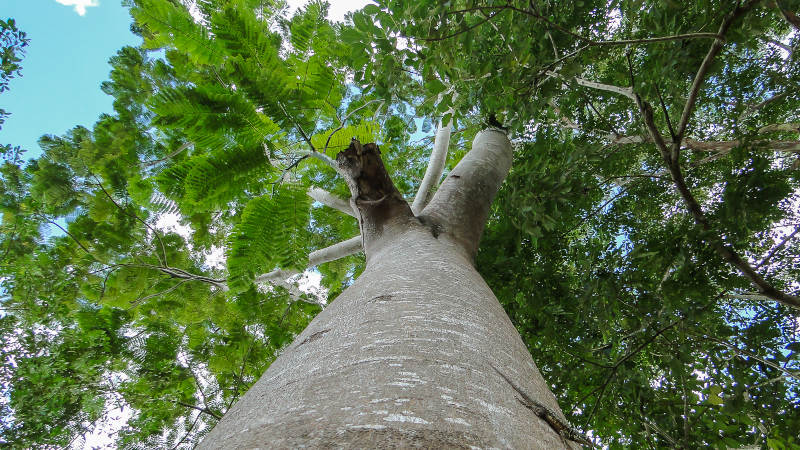
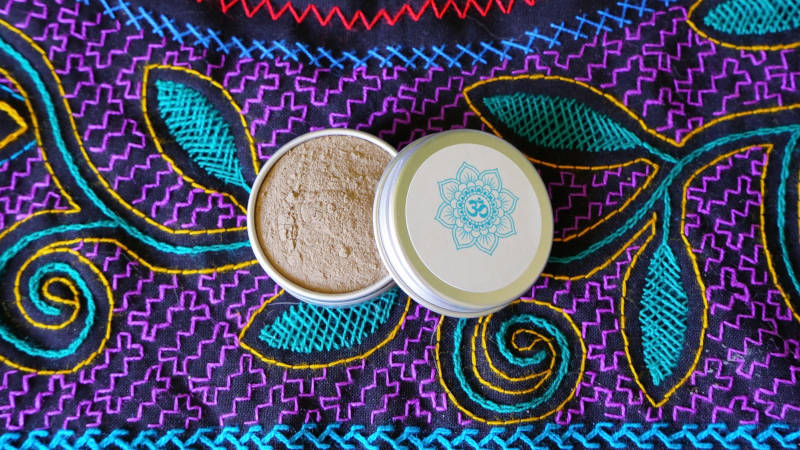

A sacred plant teacher of the Yanomami people, prepared with the ashes of the seeds of the Paricá tree which have psychoactive properties. This plant is for spiritual journeying and meditations to go very deep. In some cultures, this indigenous medicine was only used by the chiefs to astral travel, speak to ancestral guides, and spirits of the forest. This plant is also known as Xixá, and is used to make the indigenous medicine called Yopo when used in larger quantities and without tobacco.
Nom latin: Schizolobium amazonicum
Cendre: Paricá Bark
Ethnicité: Yanomami
Element: Ether and Fire
Puissance: Forte
The Yanomami are one of the largest indigenous tribes in the Amazon rainforest, residing in the border regions of Brazil and Venezuela. Within their intricate cultural tapestry, the use of rapé holds a significant place. For the Yanomami, rapé is not merely a substance but a sacred tool deeply intertwined with their spiritual beliefs and healing practices. Made from a blend of tobacco, tree ashes, and medicinal plants, rapé is meticulously prepared and administered in ceremonial contexts by a shaman or other community members. The Yanomami believe that rapé allows them to commune with the spirit world, cleanse the body and mind of negative energies, and facilitate physical and emotional healing. Its use is integral to their rituals, marking important life events, resolving disputes, and fostering social cohesion within the tribe. Through the practice of making and using rapé, the Yanomami preserve their cultural identity, honor their ancestors, and maintain their profound connection to the natural world.
Le rapé (prononcé « ha-peh ») est un tabac à priser traditionnel à base de plantes utilisé par diverses tribus indigènes du bassin amazonien, dont les Kuntanawa. Il est fabriqué à partir de matières végétales finement moulues, qui comprennent souvent du tabac (Nicotiana rustica), connu localement sous le nom de « mapacho », et les cendres d'autres plantes comme l'écorce de certains arbres. Chaque tribu et même les guérisseurs individuels ont leurs propres recettes et méthodes de préparation du rapé, qui peuvent inclure divers additifs médicinaux et aromatiques pour obtenir différents effets.
Le rapé est administré par les narines à l'aide d'un instrument en bambou ou en os, qui peut être auto-administré ou donné par une autre personne. L'application fait souvent partie d'un rituel visant à purifier le corps et l'esprit, à promouvoir des idées spirituelles et à connecter les utilisateurs au monde spirituel. Les effets du rapé comprennent un sentiment accru de vigilance et de concentration, un nettoyage intense des voies nasales et des sinus et parfois de profondes expériences émotionnelles et psychologiques. Dans les cultures autochtones, il est utilisé à diverses fins, allant des fins spirituelles et cérémonielles aux fins médicinales et thérapeutiques.
L’utilisation du rapé, le tabac à priser traditionnel à base de plantes d’Amazonie, implique certaines considérations de sécurité, notamment parce qu’il peut avoir de puissants effets physiques et psychologiques. Voici quelques exigences et précautions de sécurité clés à prendre en compte :
Plage de prix : €25.00 à €50.00
| Taille | 10 gram, 15 gram, 20 gram |
|---|---|
| Strength |
Seuls les clients connectés ayant acheté ce produit ont la possibilité de laisser un avis.


 Français
  English (UK)
Avis
Il n’y a pas encore d’avis.