
Additional information
| Size | 10 gram, 15 gram, 20 gram |
|---|---|
| Strength |
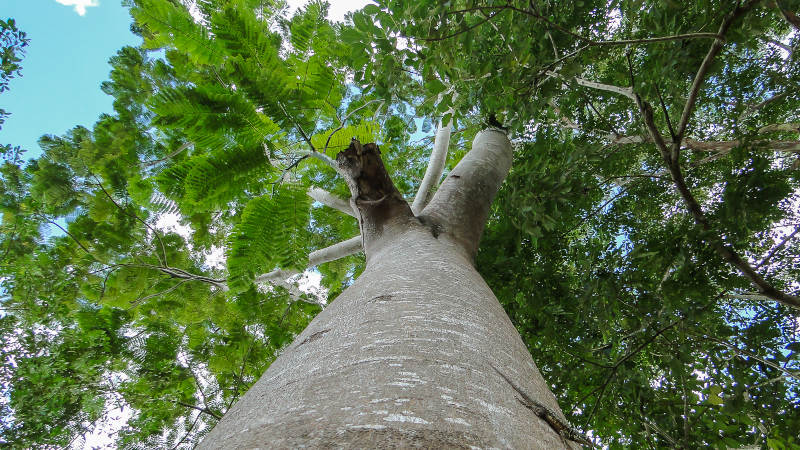
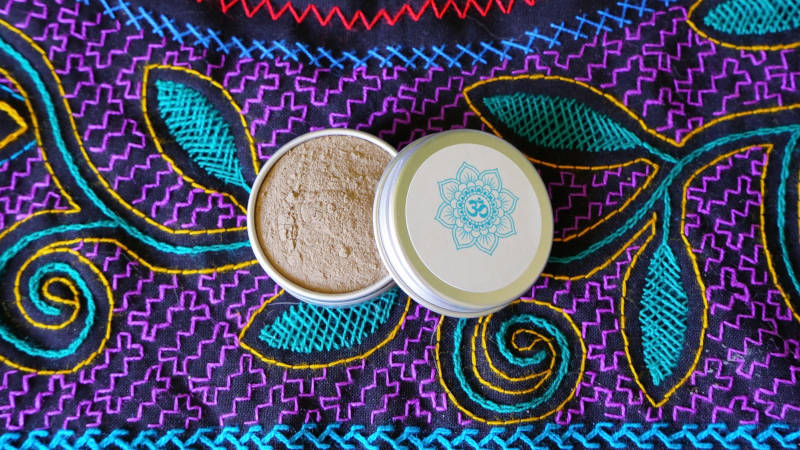

A sacred plant teacher of the Yanomami people, prepared with the ashes of the seeds of the Paricá tree which have psychoactive properties. This plant is for spiritual journeying and meditations to go very deep. In some cultures, this indigenous medicine was only used by the chiefs to astral travel, speak to ancestral guides, and spirits of the forest. This plant is also known as Xixá, and is used to make the indigenous medicine called Yopo when used in larger quantities and without tobacco.
Latin name: Schizolobium amazonicum
Ash: Paricá Bark
Ethnicity: Yanomami
Element: Ether and Fire
Strength: Strong
The Yanomami are one of the largest indigenous tribes in the Amazon rainforest, residing in the border regions of Brazil and Venezuela. Within their intricate cultural tapestry, the use of rapé holds a significant place. For the Yanomami, rapé is not merely a substance but a sacred tool deeply intertwined with their spiritual beliefs and healing practices. Made from a blend of tobacco, tree ashes, and medicinal plants, rapé is meticulously prepared and administered in ceremonial contexts by a shaman or other community members. The Yanomami believe that rapé allows them to commune with the spirit world, cleanse the body and mind of negative energies, and facilitate physical and emotional healing. Its use is integral to their rituals, marking important life events, resolving disputes, and fostering social cohesion within the tribe. Through the practice of making and using rapé, the Yanomami preserve their cultural identity, honor their ancestors, and maintain their profound connection to the natural world.
Rapé (pronounced "ha-peh") is a traditional herbal snuff used by various indigenous tribes of the Amazon Basin, including the Kuntanawa. It is made from finely ground plant materials, which often include tobacco (Nicotiana rustica), known locally as 'mapacho', and the ashes of other plants such as the bark from certain trees. Each tribe and even individual healers have their unique recipes and methods for preparing rapé, which may include various medicinal and aromatic additives to achieve different effects.
Rapé is administered through the nostrils with the aid of a pipe made from bamboo or bone, which can be self-administered or given by another person. The application is often a part of a ritual, aiming to cleanse the body and mind, promote spiritual insights, and connect users to the spiritual world. The effects of rapé include a heightened sense of alertness and focus, intense cleansing of the nasal passages and sinuses, and sometimes profound emotional and psychological experiences. In indigenous cultures, it is used for a variety of purposes, from spiritual and ceremonial to medicinal and therapeutic.
Using rapé, the traditional herbal snuff from the Amazon, involves certain safety considerations, particularly because it can have potent physical and psychological effects. Here are some key safety requirements and precautions to consider:
Price range: €25.00 through €50.00
| Size | 10 gram, 15 gram, 20 gram |
|---|---|
| Strength |
Only logged in customers who have purchased this product may leave a review.


 English (UK)
  Français
Reviews
There are no reviews yet.