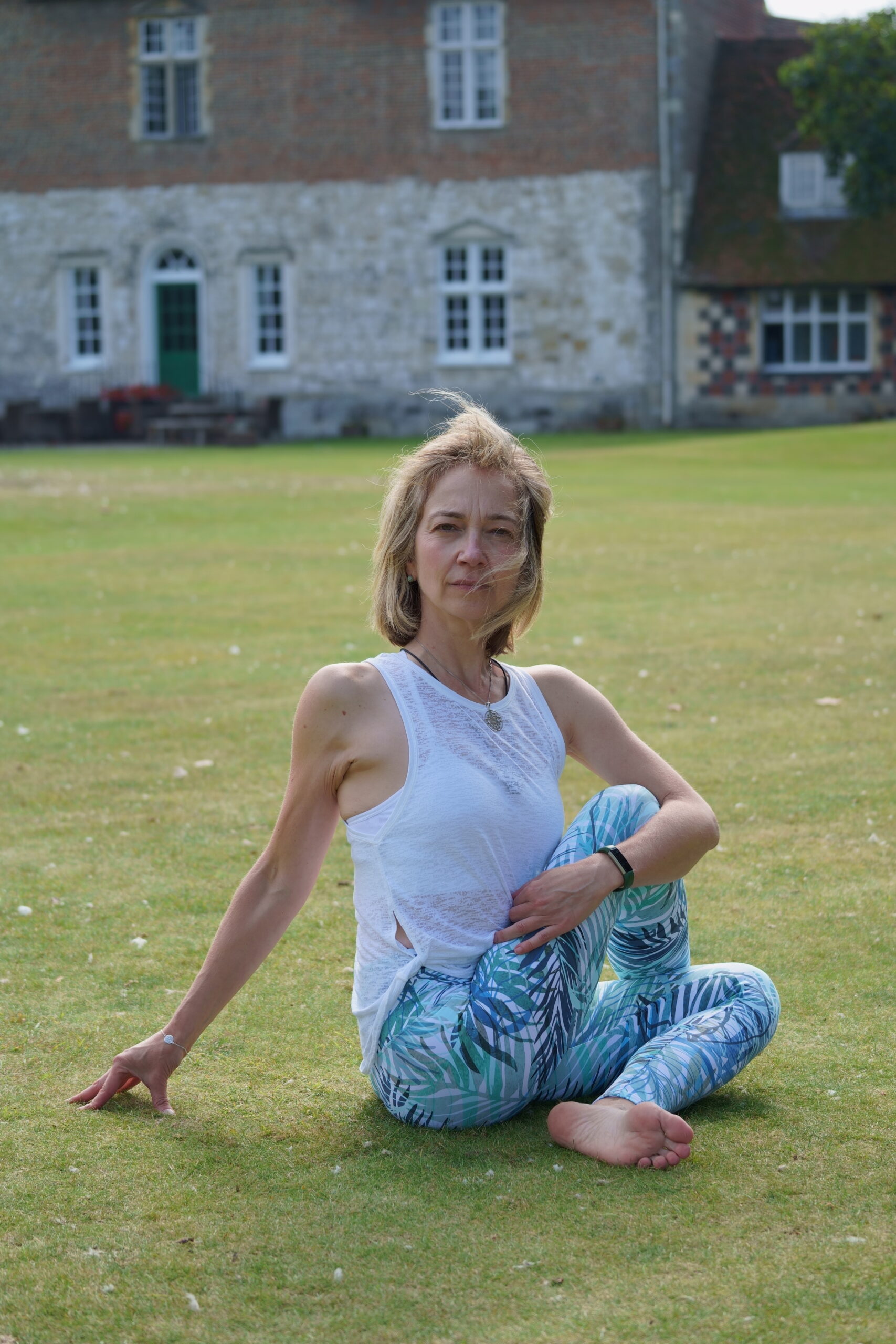
"Sweat is the body’s natural self-detox system. Try this heat-building practice for a refreshing and cleansing yoga flow that powers up your body’s inherent detoxification processes."
"Yoga helps detox our bodies. Let’s build heat in our practice today."
"Twist longer. Breathe deeper. Sweat harder."
Yoga, along with most physical exercises, helps the body’s natural detoxification systems to function properly.
The body’s lymphatic system and blood continuously deliver metabolic waste to the liver, kidneys, and digestive organs. This waste and other toxins absorbed from the environment get filtered and eliminated through urine, sweat, solid waste and even during exhalations.
The belief that yoga twists aid in detoxification most likely began with B.K.S. Iyengar, the founder of Iyengar Yoga.
Iyengar taught that twisting asanas created a “squeeze-and-soak” action in both the spine and the internal organs. The organs would become compressed in a twist, squeezing out old blood and waste, and then once released, fresh oxygenated blood would flow in, creating healthier organs, much like a dirty washcloth can take on fresh, clean water after being wrung out of the old dirty water.
The same concept applies to the vertebral discs of the spine. Gravity and aging tend to compress the discs causing them to lose moisture. Spinal twists will increase circulation to the area, creating a healthier spine.
I have used the dirty washrag analogy with my students in describing how a yoga twist will keep the body healthy. And I know from anecdotal experience that my students and I feel better after a yoga practice of twisting asanas.
Twists help stimulate our organs, including those responsible for elimination, which in turn can help stimulate our metabolism and rate of excretion. Twists also stimulate circulation; release tension in the muscles of the spine, abdomen, and ribcage; and help to create heat.
But is there any science behind this common experience? Let’s take a closer look.
Think of your body tissues like a sponge filled with water. When you gently squeeze that sponge, the old, stale water gets pushed out. When you release it, the sponge soaks up fresh, clean water. Your body works the same way.
The “Squeeze” Phase
When you twist or compress parts of your body in yoga, you gently press on your tissues and blood vessels. This pushes stale blood and fluid out of the area, making room for something new.
The “Soak” Phase
When you release the pose, fresh, oxygen-rich blood rushes into that space. It’s like opening a dam: fresh blood flows in quickly, bringing nutrients and oxygen to feed your cells.
Why This Matters
Your body actually likes this gentle stress. Small, intermittent challenges make your tissues stronger and more efficient. It’s like exercise for your blood vessels: they learn to open wider and deliver blood more effectively. This helps explain why you feel refreshed and energised after twisting poses.
The Key Balance
This only works because the compression is gentle and brief. A light squeeze is beneficial, but too much pressure for too long would cut off blood flow completely and cause harm. Yoga twists find that sweet spot: just enough pressure to stimulate, but not enough to damage.
1. Hormesis: The Goldilocks Rule
Your body responds to small doses of stress by getting stronger, not weaker. Scientists call this “hormesis”. Just as vaccines use tiny amounts of virus to build immunity, gentle compression trains your tissues to handle stress better. The key is the dose: too little does nothing, too much causes damage, but just right makes you more resilient.
2. The “Rebound” Blood Flow Effect
When you compress tissue, your body notices the brief shortage of oxygen. Like a rubber band snapping back, your blood vessels overcompensate when released. This is called reactive hyperemia, and it can increase blood flow by 200–360% above normal. Think of it as your circulatory system saying “my mistake, let me make it up to you” with a flood of fresh blood.
3. Vascular Training
The surge of blood creates shear stress: a gentle stretching force on the inner lining of your blood vessels. This works like a workout for your vessel walls, making them more flexible and better at dilating when needed. Over time, this improves your overall circulation.
4. Cellular Defense Activation
Brief, mild oxygen shortage triggers your cells to activate protective pathways. It’s like your cells flipping on their “defense mode” switch, producing antioxidants and repair proteins that make them more resilient to future stress.
5. The Dose-Response Curve
Scientists have mapped this effect precisely: light compression = benefit, moderate compression = maximum benefit, heavy compression = harm. Yoga twists naturally stay in the beneficial zone, which is why they feel refreshing rather than painful.
Creating heat through sweating or a heated room is another popular detox tool used in yoga.
Sweat is the body’s secondary self-detox system. Whatever toxins the liver and kidneys are unable to discharge get stored in fat cells. You can’t sweat out a night of overindulgence in alcohol or fatty foods. Anything you ingest needs to go through the body’s systems to be stored as nutrients, fat, or eliminated as waste.
Sweat has other benefits, though. Sweat is good for healthy skin. The water, minerals, and salt hydrate and exfoliate the skin. The uric acid in sweat prevents dry skin. Sweating also rids the skin of bacteria, dirt, and oils. The perfect pH factor for skin is the same pH as in sweat.
Other health benefits of sweating include:
It’s important to shower soon after a sweaty yoga session. Impurities released through sweat can mix with bacteria on the surface of the skin. Also, the sweat released through the apocrine glands is what creates after-workout body odour.
The body’s detoxification systems are designed to run without any external forces. A regular yoga practice, including vigorous asana and pranayama, as part of an overall wellness plan can help the natural detox system run more efficiently.
There are other ways to help your body run at a prime level include:
I often run detox classes early January to help my students detox from overeating at Xmas and New Year. Whether it is a Yin or a Vinyasa class, plenty of twists are included and my students always comment on how it makes them feel refreshed afterwards.
If you would like to attend my weekly yoga classes in studio (around Saint-Gaudens) or online, just drop me a line on my contact page.
Namaste
Christel


 Français
  English (UK)