
Informations complémentaires
| Taille | 10 gram, 15 gram, 20 gram |
|---|---|
| Strength |
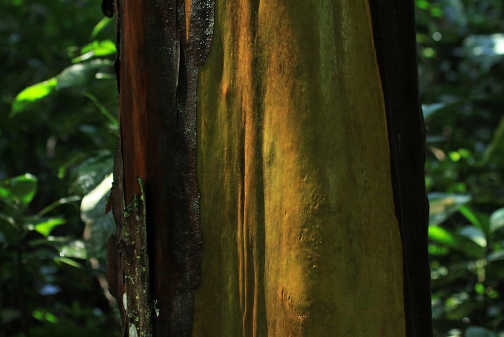
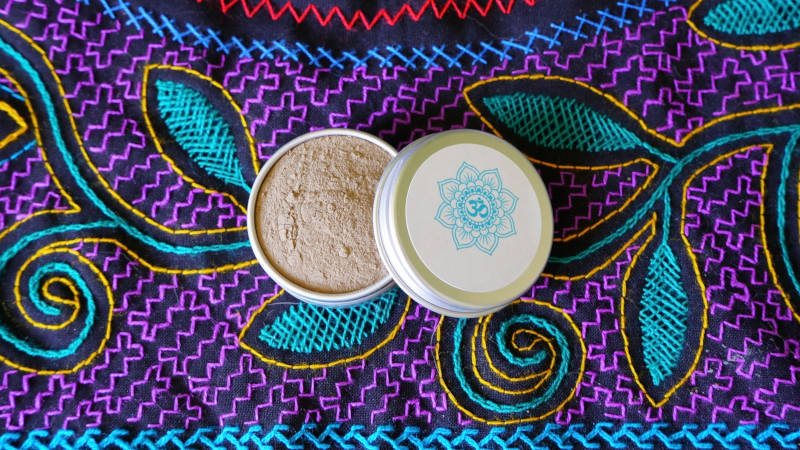

The Mulateiro bark has a yearly cycle of shedding and regenerating, and this transfers into the healing powers of Mulateiro. Amazonian female warriors bathe in a preparation of Mulateiro bark to remain young and beautiful. Men also drink the tea of this tree for virility, strength and stamina. You can use this to help with transitions, restore your health, boost immunity, regain your vitality, and harness your concentration and focus. It is also used to release tension in the right and left cerebral lobes, allowing our body, mind and spirit to re-align in balance and become centered.
Nom latin: Calycophyllum Capirona
Cendre: Mulateiro Bark
Origine ethnique tribale: Yawanawá
Element: Terre et Éther
Puissance: Douce
The Yawanawá, an indigenous tribe residing deep in the Amazon rainforest of Brazil, have a long-standing tradition of crafting and using rapé as an integral part of their spiritual and cultural practices. For the Yawanawá, rapé is regarded as a sacred medicine that holds the power to cleanse the body, clear the mind, and strengthen connections with the spiritual realm. The preparation of rapé is a meticulous process, involving the grinding and blending of various medicinal plants and tree ashes, each chosen for its specific healing properties. During communal ceremonies led by trained shamans, rapé is administered to participants through the nostrils, facilitating a profound sense of purification and spiritual insight. The use of rapé serves as a conduit for ancestral wisdom, fostering a deep reverence for the natural world and reinforcing the bonds of community among the Yawanawá people. Through this ancient practice, the Yawanawá continue to uphold their cultural heritage and maintain harmony with the spirits of the forest.
Le rapé (prononcé « ha-peh ») est un tabac à priser traditionnel à base de plantes utilisé par diverses tribus indigènes du bassin amazonien, dont les Kuntanawa. Il est fabriqué à partir de matières végétales finement moulues, qui comprennent souvent du tabac (Nicotiana rustica), connu localement sous le nom de « mapacho », et les cendres d'autres plantes comme l'écorce de certains arbres. Chaque tribu et même les guérisseurs individuels ont leurs propres recettes et méthodes de préparation du rapé, qui peuvent inclure divers additifs médicinaux et aromatiques pour obtenir différents effets.
Le rapé est administré par les narines à l'aide d'un instrument en bambou ou en os, qui peut être auto-administré ou donné par une autre personne. L'application fait souvent partie d'un rituel visant à purifier le corps et l'esprit, à promouvoir des idées spirituelles et à connecter les utilisateurs au monde spirituel. Les effets du rapé comprennent un sentiment accru de vigilance et de concentration, un nettoyage intense des voies nasales et des sinus et parfois de profondes expériences émotionnelles et psychologiques. Dans les cultures autochtones, il est utilisé à diverses fins, allant des fins spirituelles et cérémonielles aux fins médicinales et thérapeutiques.
L’utilisation du rapé, le tabac à priser traditionnel à base de plantes d’Amazonie, implique certaines considérations de sécurité, notamment parce qu’il peut avoir de puissants effets physiques et psychologiques. Voici quelques exigences et précautions de sécurité clés à prendre en compte :
Plage de prix : €25.00 à €50.00
| Taille | 10 gram, 15 gram, 20 gram |
|---|---|
| Strength |
Seuls les clients connectés ayant acheté ce produit ont la possibilité de laisser un avis.


 Français
  English (UK)
Avis
Il n’y a pas encore d’avis.