
Additional information
| Size | 10 gram, 15 gram, 20 gram |
|---|---|
| Strength |
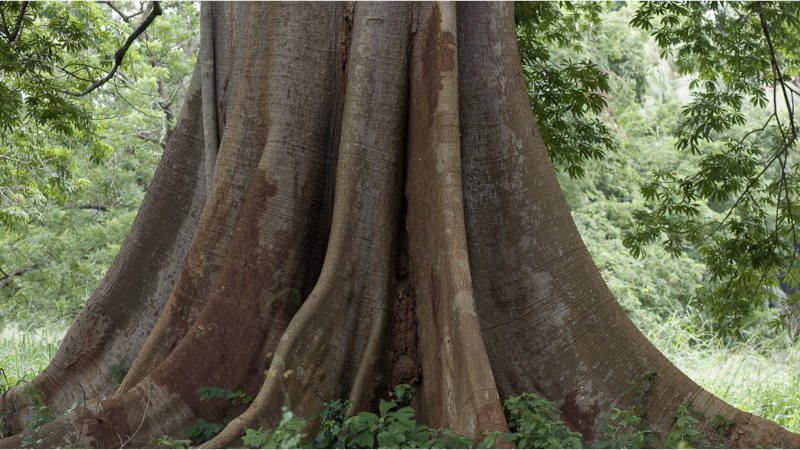
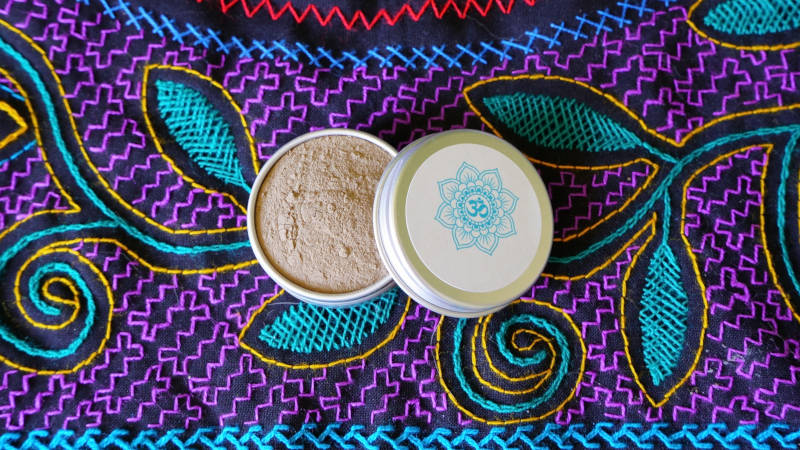

This is the largest tree in the Amazon forest and one of the largest in the world, growing up to 90 meters. It is known as the mother of all the other trees. Named Kapok tree in English. This is one of the most sacred allies of the indigenous people of the Amazon basin, even among the Mayans. Its roots are capable of sourcing water from very deep in the Earth, not only to supply itself but for numerous other creatures that call this majestic tree 'home'. It is said an enchanted spirit works through this tree, communicating through knocks in the forest. It is for all of these reasons that the indigenous use its bark for making their medicine, as well as mixing it into the entheogen brew Grand Mother, to receive the blessing of the great Queen of the Forest.
Latin name: Ceiba Pentandra
Ash: Samaúma Bark
Ethnicity: Kuntanawa
Element: Ether
Strength: Gentle
The Kuntanawa tribe is one of the many indigenous peoples residing in the Amazon Rainforest, primarily along the Tejo River in Brazil. Historically pushed to the brink of cultural extinction due to the rubber boom, the Kuntanawa have been reviving and preserving their ancestral traditions and knowledge, among which is the use of rapé (pronounced "ha-peh"). Rapé is a sacred herbal snuff that is central to the spiritual and communal practices of the Kuntanawa and other indigenous tribes. It is composed of finely ground plant materials, often including tobacco and tree ash, and is administered through the nose using a pipe made from bamboo or bone. The Kuntanawa use rapé in ceremonial contexts for its healing properties and to facilitate profound spiritual insights. It is believed to cleanse both the body and mind, clear negative energies, and reconnect the user with the earth's spirits. The ritual use of rapé thus embodies a blend of medicinal, spiritual, and communal significance that is integral to the tribe's cultural identity.
Rapé (pronounced "ha-peh") is a traditional herbal snuff used by various indigenous tribes of the Amazon Basin, including the Kuntanawa. It is made from finely ground plant materials, which often include tobacco (Nicotiana rustica), known locally as 'mapacho', and the ashes of other plants such as the bark from certain trees. Each tribe and even individual healers have their unique recipes and methods for preparing rapé, which may include various medicinal and aromatic additives to achieve different effects.
Rapé is administered through the nostrils with the aid of a pipe made from bamboo or bone, which can be self-administered or given by another person. The application is often a part of a ritual, aiming to cleanse the body and mind, promote spiritual insights, and connect users to the spiritual world. The effects of rapé include a heightened sense of alertness and focus, intense cleansing of the nasal passages and sinuses, and sometimes profound emotional and psychological experiences. In indigenous cultures, it is used for a variety of purposes, from spiritual and ceremonial to medicinal and therapeutic.
Using rapé, the traditional herbal snuff from the Amazon, involves certain safety considerations, particularly because it can have potent physical and psychological effects. Here are some key safety requirements and precautions to consider:
Price range: €25.00 through €50.00
| Size | 10 gram, 15 gram, 20 gram |
|---|---|
| Strength |
Only logged in customers who have purchased this product may leave a review.



 English (UK)
  Français
Reviews
There are no reviews yet.