
Additional information
| Strength | |
|---|---|
| Size | 10 gram, 15 gram, 20 gram |
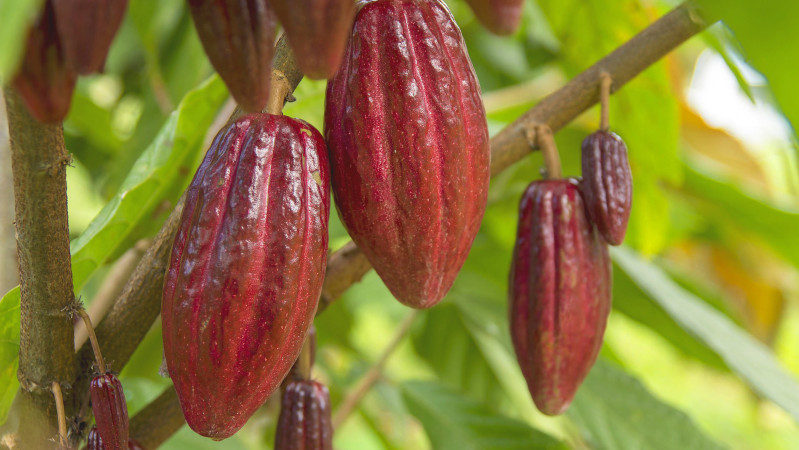
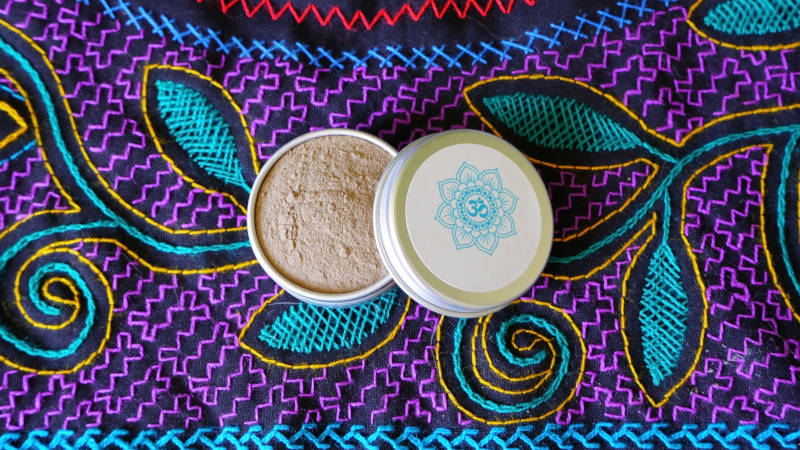

This rapé is a heart indigenous medicine, which relieves depression, brings joy and opens one up to the energy of love and warmth. Cacao is a ceremonial plant teacher, used to connect to the divine through the temple of the heart. It is a catalyst for spiritual and emotional healing, transforming grief and frustration into serenity and peace. This rapé is a fiery friend to enliven and heal.
Latin Name: Theobroma cacao
Ashes: Tsunu
Ethnicity: Huni Kuin
Element: Air and Fire
Strength: Medium
The Huni Kuin (also known as Kaxinawá) are an indigenous people inhabiting the Amazon rainforest near the border of Brazil and Peru. Esteemed for their rich cultural heritage, which includes vibrant rituals, intricate crafts, and profound spiritual practices, the Huni Kuin are also known for their traditional use of rapé. For the Huni Kuin, rapé is a sacred substance that plays a critical role in their spiritual and community life. It is used in rituals to facilitate communication with the spirit world, cleanse the body of illness and negative energies, and as a means of social bonding and communal unity. The preparation of rapé is seen as a form of prayer or meditation, involving the careful selection and grinding of tobacco and other plant ingredients, each with specific medicinal or spiritual properties. This meticulous process and the subsequent use of rapé help to maintain the balance and well-being of the individual and the community, reinforcing their deep connection to nature and ancestral traditions.
Rapé (pronounced "ha-peh") is a traditional herbal snuff used by various indigenous tribes of the Amazon Basin, including the Kuntanawa. It is made from finely ground plant materials, which often include tobacco (Nicotiana rustica), known locally as 'mapacho', and the ashes of other plants such as the bark from certain trees. Each tribe and even individual healers have their unique recipes and methods for preparing rapé, which may include various medicinal and aromatic additives to achieve different effects.
Rapé is administered through the nostrils with the aid of a pipe made from bamboo or bone, which can be self-administered or given by another person. The application is often a part of a ritual, aiming to cleanse the body and mind, promote spiritual insights, and connect users to the spiritual world. The effects of rapé include a heightened sense of alertness and focus, intense cleansing of the nasal passages and sinuses, and sometimes profound emotional and psychological experiences. In indigenous cultures, it is used for a variety of purposes, from spiritual and ceremonial to medicinal and therapeutic.
Using rapé, the traditional herbal snuff from the Amazon, involves certain safety considerations, particularly because it can have potent physical and psychological effects. Here are some key safety requirements and precautions to consider:
Price range: €25.00 through €50.00
| Strength | |
|---|---|
| Size | 10 gram, 15 gram, 20 gram |
Only logged in customers who have purchased this product may leave a review.


 English (UK)
  Français
Reviews
There are no reviews yet.